Can Hamsters Eat Apples? Safe Serving Sizes & Risks
Can hamsters eat apples safely? Learn the safe portion sizes, why seeds must be removed, Syrian vs dwarf hamster fruit guidelines, and healthy treat ideas.
On this page
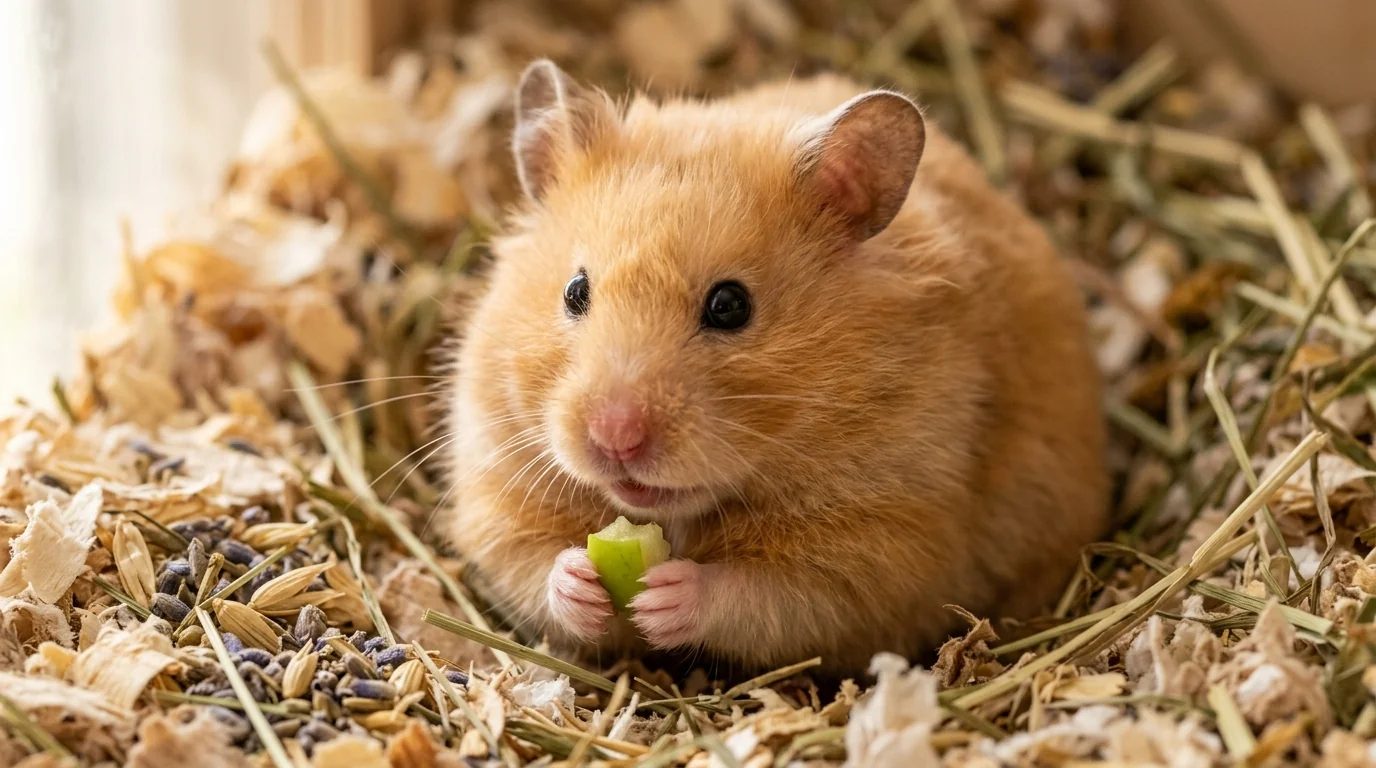
Feeding fresh treats to your hamster is one of the most delightful parts of pet care. Watching a tiny hamster take a microscopic fruit slice between their paws and nibble with enthusiasm is endlessly charming. But when sharing human foods, it is vital to know: can hamsters eat apples safely?
The short answer is yes, hamsters can eat apples, but only in strictly controlled portion sizes, and only with the toxic seeds completely removed. Apple flesh provides beneficial dietary fiber, vitamin C, and hydration, but too much sugar can cause diarrhea, obesity, or diabetes.
Always remove the seeds
Apple seeds contain amygdalin, a compound that releases poisonous cyanide when chewed and digested. While a human would need to chew dozens of seeds to feel ill, a tiny 30-gram dwarf hamster can be poisoned by a single crushed apple seed. Always core and seed apples thoroughly.
Health benefits of apples for hamsters
When offered as an occasional treat, fresh apple flesh delivers valuable nutrients:
- Dietary fiber: Supports gut motility and prevents constipation in adult hamsters.
- Vitamin C and antioxidants: Supports immune function and cellular health.
- Natural hydration: Delivers gentle moisture, especially appreciated during warm summer weather.
- Mental enrichment: Chewing crisp textures satisfies natural gnawing instincts and provides sensory variety beyond commercial pellet mixes.
The risks: sugar, diarrhea, and cheek pouches
Despite the nutritional perks, feeding apples carelessly carries real dangers:
1. High natural sugar content
Domestic hamsters descend from arid desert and steppe environments where sugary fruits do not naturally exist. High fruit intake leads to rapid weight gain, dental decay, and metabolic distress.
2. High water content and diarrhea
A hamster’s digestive tract is adapted for dry seeds, grains, and roots. Too much watery fresh fruit causes severe watery diarrhea. In small rodents, diarrhea quickly leads to life-threatening dehydration and wet tail (a severe bacterial intestinal condition).
3. Hoarding and mold in cheek pouches
Hamsters hoard food. If your hamster stuffs a slice of moist apple into their internal cheek pouch, the wet fruit can stick to the pouch lining or rot in their underground nesting chamber, creating harmful bacteria and mold.
Syrian vs dwarf hamsters: species differences matter
Hamster species have different metabolic tolerances for dietary sugar:
| Hamster Species | Typical Body Weight | Diabetes Risk | Safe Apple Portion |
|---|---|---|---|
| Syrian Hamster (Golden) | 120 to 180 grams | Low to Moderate | 1/4-inch cube (pea-sized) once weekly |
| Roborovski Dwarf | 20 to 25 grams | Low to Moderate | Half a pea-sized cube every 10 to 14 days |
| Campbell’s / Winter White Dwarf | 30 to 50 grams | Very High (Diabetes-prone) | Avoid or offer tiny sliver once a month |
| Chinese Hamster | 30 to 45 grams | High (Diabetes-prone) | Avoid or offer microscopic sliver monthly |
Dwarf hamster species (especially Campbell’s and hybrids) are genetically prone to Type 1 and Type 2 diabetes. For dwarf hamsters, leafy green vegetables (like cucumber, broccoli, or dandelion leaves) are far safer treats than sweet fruits.
How to prepare and feed apples safely
Follow these preparation steps whenever serving apples:
- Wash thoroughly: Rinse the apple under warm running water to remove pesticide residues and wax coatings. Organic apples are preferable.
- Core and remove all seeds: Slice away from the core entirely, inspecting the slice for any rogue seed fragments.
- Leave the skin on: The peel contains valuable fiber and antioxidants, provided it is washed clean.
- Cut to the correct size: Dice the apple into a tiny cube roughly the size of a single garden pea (for Syrians) or half a pea (for dwarfs).
- Hand-feed the treat: Hand-feeding builds trust and taming. Watch your hamster consume the treat directly rather than allowing them to hoard it in their nest.
- Remove uneaten fruit after 4 hours: Check your hamster’s hideout during evening spot-cleaning. Remove any cached fresh fruit before it spoils.
Understanding your hamster’s lifestyle, natural lifespans, and enclosure requirements is essential for their long-term health. Learn more in our guides on how to take care of a hamster, how big should a hamster cage be, and how long do hamsters live.
Frequently asked questions
Can hamsters eat green apples (Granny Smith)?+
Yes. Green apples are slightly more acidic and contain slightly less sugar than red varieties, making them a safe choice. However, the same strict pea-sized portion rules apply.
Can hamsters drink apple juice or eat applesauce?+
No. Never give hamsters commercial apple juice or processed applesauce. These liquids concentrate sugars, eliminate healthy dietary fiber, and cause rapid gastrointestinal upset and dental rot.
What should I do if my hamster accidentally ate an apple seed?+
Monitor your hamster closely over the next 24 to 48 hours for signs of lethargy, respiratory difficulty, unsteady gait, or loss of appetite. Contact an exotic veterinarian immediately if your hamster displays unusual symptoms.
Can hamsters eat dried apples?+
Dried apple chips have all water removed, which concentrates the natural sugar content per ounce. If offering dried apple, only feed a crumb-sized flake very rarely.
What other fruits can hamsters eat safely?+
In microscopic portions, hamsters can safely eat small pieces of blueberries, strawberries, peeled pear, and seedless watermelon. Always introduce one new fruit at a time over several days.
Sources & further reading
This article draws on guidance from these trusted organizations. Always consult your own veterinarian for advice specific to your pet.
Written by
Raghav DeedwaniyaFounder & Editor
Raghav Deedwaniya is the founder and editor of Petifys, and the author behind its pet care content. I’m a lifelong pet owner, not a veterinarian — I’ve been around dogs since childhood, and that hands-on experience is what got me into writing about responsible pet ownership. At Petifys I create practical, easy-to-understand guides, each one carefully researched using trusted sources such as the AVMA, ASPCA and International Cat Care. My aim is to help you make informed everyday decisions — but for anything involving your pet’s health, always consult a qualified veterinarian who can examine your animal in person.
Disclosure: Some links in this article are affiliate links. If you buy through them we may earn a small commission at no extra cost to you. We only recommend products we believe in. Learn more.