Best Pets for Apartments: 8 Great Companions
Living in a small apartment? Compare the best apartment pets from cats and quiet dogs to hamsters and guinea pigs, with noise, odor, and space ratings.
On this page
- What makes a pet ideal for apartment life?
- 8 best apartment pets compared
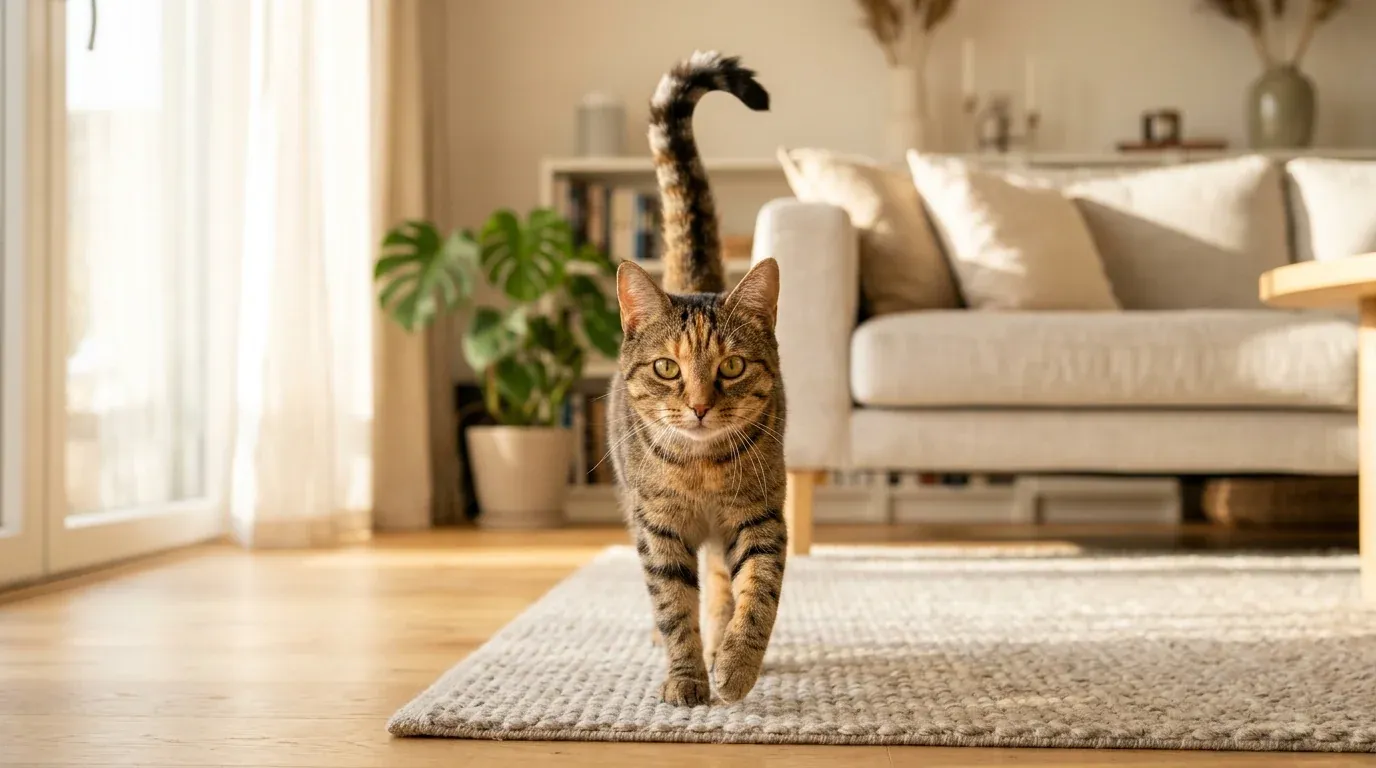
- 1. Adult Domestic Cats
- 2. Calm, Low-Energy Dogs (Greyhounds, Pugs, French Bulldogs)
- 3. Syrian Hamsters
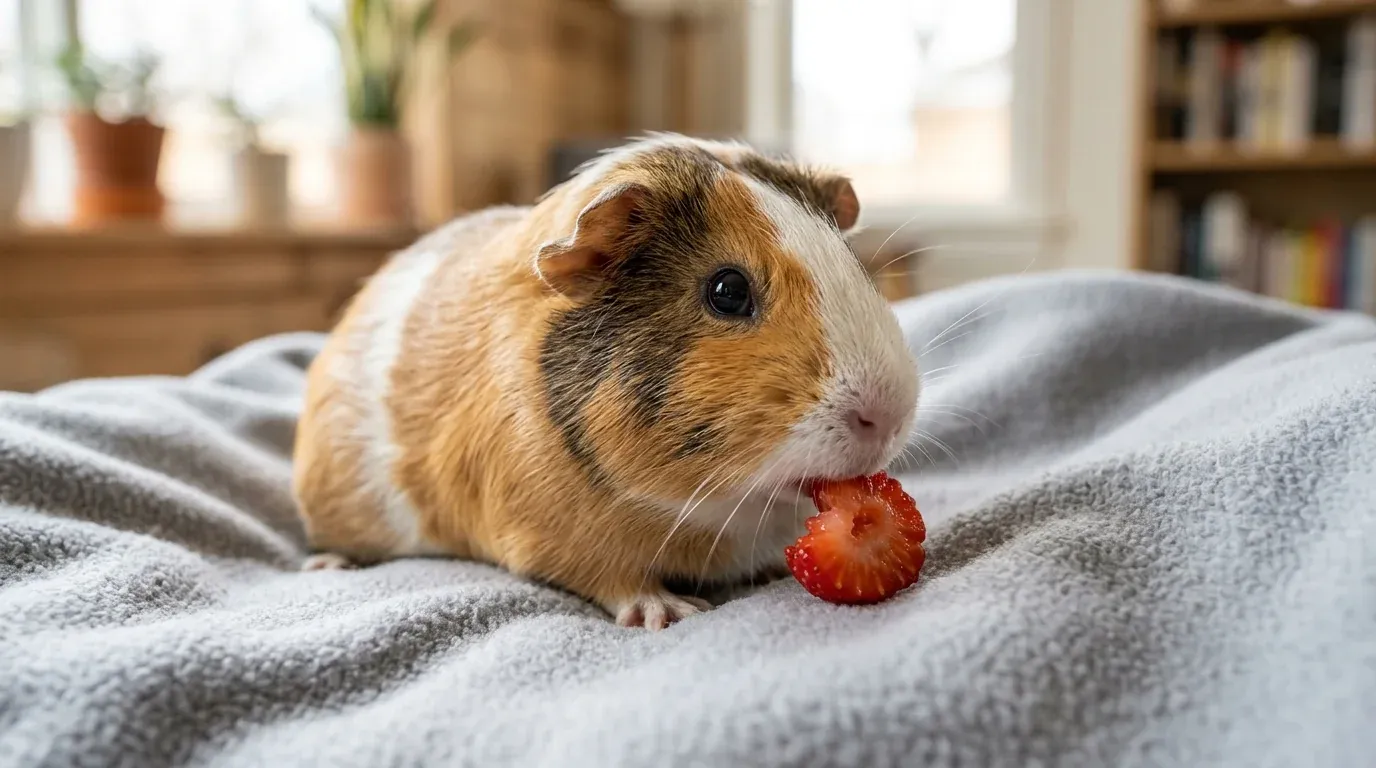
- 4. Guinea Pigs (in bonded pairs)
- 5. Fancy Rats (in bonded pairs)
- 6. Indoor House Rabbits
- 7. Leopard Geckos
- 8. Betta Fish (in a proper 5-gallon aquarium)
- Checklist before bringing an apartment pet home
Apartment living does not mean you have to forfeit the warmth, joy, and companionship of having an animal in your life. With millions of people living in urban condos and studio apartments, choosing the right pet comes down to balancing square footage, landlord restrictions, noise tolerances, and daily exercise schedules.
Some animals thrive in compact spaces with modest daily routines, while others require expansive yards and hours of vigorous activity. Here is an honest, practical guide to the best pets for apartments across dogs, cats, and small animals.
The big misconception
A pet’s size does not determine their apartment suitability. High-energy small dogs (like Jack Russell Terriers) often struggle in apartments, while 70-pound retired racing Greyhounds are famous for being gentle, low-bark couch potatoes who sleep 18 hours a day. Energy level and vocalization matter far more than weight.
What makes a pet ideal for apartment life?
When evaluating a companion for an apartment, look for three key attributes:
- Low vocalization: Shared walls mean dogs that bark at every hallway footstep or birds that scream at sunrise will trigger landlord warnings and neighbor complaints.
- Space efficiency: Animals that don’t need continuous running acreage or whose enclosures fit comfortably along a single living room wall.
- Manageable exercise and waste needs: How easy is it to manage potty breaks when you live on the fifth floor without a private backyard?
8 best apartment pets compared
| Animal | Space Needed | Noise Level | Daily Time Commitment | Best Feature for Apartments |
|---|---|---|---|---|
| Adult Domestic Cat | Small to Medium | Very Low | 30 to 45 mins | Independent, litter-box trained, silent |
| Low-Energy Dog | Medium | Low to Medium | 1 to 1.5 hours | Loyal companion; content with daily leash walks |
| Syrian Hamster | 40“ x 20“ cage table | Completely Silent | 15 to 20 mins | Solitary, nocturnal, zero neighbor impact |
| Pair of Guinea Pigs | 30“ x 50“ C&C cage | Low (gentle wheeks) | 30 to 45 mins | Affectionate, diurnal, fun personalities |
| Pair of Rats | Vertical wire cage | Silent | 1 hour | Highly intelligent, trainable, bond closely |
| Indoor Rabbit | Puppy pen / Free-roam | Silent | 1 hour | Can be litter trained, quiet, affectionate |
| Leopard Gecko | 20-gallon terrarium | Silent | 10 mins | Hypoallergenic, odorless, minimal space |
| Freshwater Betta Fish | 5-gallon tank | Silent | 5 mins | Beautiful, zero noise, perfect for micro-studios |
1. Adult Domestic Cats
Cats are widely considered the gold standard of apartment pets. They are naturally clean, instinctively use indoor litter boxes, and do not need a grassy yard to relieve themselves at 6am in the freezing rain.
- Why they work: Cats utilize vertical space. Adding a tall cat tree and window perch turns a 500-square-foot studio into a multi-level playground.
- Apartment watch-outs: Litter box odor requires daily scooping and quality clumping litter. Review litter management and basic supplies in our first-time cat owner guide and troubleshoot odor issues in why is my cat not using the litter box.
2. Calm, Low-Energy Dogs (Greyhounds, Pugs, French Bulldogs)
If your heart is set on a dog, you don’t need a suburban garden — you just need an honest match with energy levels. Low-energy adults, senior rescues, and breeds bred for companionship do brilliantly in apartments provided they receive two to three daily leash walks.
- Why they work: Many companion breeds are naturally quiet indoors and sleep while you work.
- Apartment watch-outs: Living without a yard requires commitment to rain-or-shine potty walks. If you are comparing species, read our honest breakdown in dog vs cat which pet should you get and prepare with the first-time puppy owner guide.
3. Syrian Hamsters
For busy professionals or students in studio apartments, hamsters are fantastic companions. They are solitary creatures who must live alone, meaning you only need to house and feed a single animal.
- Why they work: Completely silent (when paired with a high-quality smooth ball-bearing wheel). They are nocturnal, waking up in the evening when you return home from work or school.
- Apartment watch-outs: Hamsters need deep bedding (8+ inches) and a large unbroken floor space cage (at least 40“ x 20“). Make sure you have a dedicated dresser or table; see how big should a hamster cage be.
4. Guinea Pigs (in bonded pairs)
Guinea pigs offer the interactive vocal warmth of a larger pet in a manageable footprint. They greet their owners with cheerful “wheeks” when refrigerator doors open and love lap-time snuggles.
- Why they work: Cannot jump or climb, so an open-top C&C cage fits easily against a living room wall. Gentle, docile, and rarely bite.
- Apartment watch-outs: Must be kept in pairs and require at least 7.5 to 10.5 square feet of flat floor space. Regular spot-cleaning is required to prevent hay and bedding odors.
5. Fancy Rats (in bonded pairs)
Rats are frequently described as “pocket dogs.” They are exceptionally clean, remarkably affectionate, and learn their names, tricks, and litter-box habits with astonishing speed.
- Why they work: Highly social with humans, love riding on shoulders, and sleep peacefully during the day.
- Apartment watch-outs: Extremely short lifespans (2 to 3 years) and require tall, multi-level vertical cages with frequent cleaning.
6. Indoor House Rabbits
Rabbits are quiet, clean, and can be litter-box trained just like cats. A free-roaming or pen-housed bunny makes a wonderful, gentle apartment roommate.
- Why they work: Zero vocalizations, playful personality, and joyful binkies on the rug.
- Apartment watch-outs: Baseboards, carpet corners, and electrical cables must be strictly bunny-proofed. Rabbits love to chew!
7. Leopard Geckos
If allergies or landlord pet fees are strict, a leopard gecko is one of the easiest, gentlest reptile companions in the world.
- Why they work: A standard 20-gallon tank fits on any small desk. They do not produce noise, do not have dander, and only require feeding every few days as adults.
- Apartment watch-outs: Require live insect feeding (crickets or mealworms) and proper undertank heating elements.
8. Betta Fish (in a proper 5-gallon aquarium)
For micro-apartments where leases forbid furry animals, a single male Betta fish in a planted 5-gallon tank brings life, color, and tranquility to a room.
- Why they work: Fits on a kitchen counter or bookshelf; silent and beautiful.
- Apartment watch-outs: Bettas need a gentle water filter and a preset heater (78°F to 80°F) — tiny unheated glass bowls are inhumane.
Checklist before bringing an apartment pet home
Before signing adoption papers:
- Review your lease agreement for weight limits, breed bans, pet deposits, and monthly pet rent.
- Walk your building’s stairwells and elevator: how easy is it to exit quickly for late-night bathroom emergencies?
- Check local veterinary clinics within a 15-minute radius.
- Plan your budget for pet deposits, food, and annual wellness checks.
With the right species match, apartment living offers a cozy, deeply rewarding home for pets of all shapes and sizes.
Frequently asked questions
What is the easiest, cleanest pet for an apartment?+
An adult domestic short-haired cat or an aquarium setup is generally the cleanest and lowest-impact pet for an apartment. Cats use an indoor litter box, groom themselves continuously, and produce very little ambient noise.
Can big dogs live happily in small apartments?+
Yes! Low-energy large dogs like Greyhounds, Great Danes, and Mastiffs often adapt better to apartment living than high-strung small breeds like Jack Russell Terriers. As long as a large dog receives adequate daily outdoor walks, they spend most of their indoor hours resting quietly.
Which pets smell the least in an apartment?+
Reptiles (like leopard geckos), properly maintained betta aquariums, and cats using unscented low-dust clumping litter produce almost zero odor. Small rodents only smell if their cages are cleaned infrequently.
Are rabbits good for small apartments?+
Yes, provided the apartment is bunny-proofed. Rabbits are completely silent and can be litter trained, making them ideal for shared-wall living. However, they need safe exercise space in an exercise pen rather than being confined to a small hutch.
What pet is best for someone working full-time in an apartment?+
Adult cats, solitary hamsters, or leopard geckos are best suited for owners working long hours outside the home. They sleep during typical working hours and do not require scheduled midday outdoor bathroom trips.
Sources & further reading
This article draws on guidance from these trusted organizations. Always consult your own veterinarian for advice specific to your pet.
Written by
Raghav DeedwaniyaFounder & Editor
Raghav Deedwaniya is the founder and editor of Petifys, and the author behind its pet care content. I’m a lifelong pet owner, not a veterinarian — I’ve been around dogs since childhood, and that hands-on experience is what got me into writing about responsible pet ownership. At Petifys I create practical, easy-to-understand guides, each one carefully researched using trusted sources such as the AVMA, ASPCA and International Cat Care. My aim is to help you make informed everyday decisions — but for anything involving your pet’s health, always consult a qualified veterinarian who can examine your animal in person.
Disclosure: Some links in this article are affiliate links. If you buy through them we may earn a small commission at no extra cost to you. We only recommend products we believe in. Learn more.