Cat Hairball Remedies: Causes, Prevention & Care
Learn why cats get hairballs, normal vs abnormal coughing symptoms, diet adjustments, and daily grooming habits to reduce hairballs safely at home.
On this page
- What causes hairballs in cats?
- 6 proven home remedies and prevention steps
- 1. Daily brushing (the most effective remedy)
- 2. Increase dietary moisture and hydration
- 3. Incorporate soluble dietary fiber
- 4. Use specialized petroleum or malt hairball pastes
- 5. Transition to a hairball-control formula
- 6. Provide stress relief for compulsive groomers
Every cat owner knows the unmistakable, rhythmic retching sound that echoes across the living room right before a hairball appears on the rug. While an occasional hairball is a normal byproduct of feline self-grooming, frequent coughing or vomiting up hair clumps is not an inevitable fact of cat ownership.
Understanding cat hairball remedies and the mechanics of feline digestion helps you keep your cat comfortable, protect your floors, and recognize when coughing points to a more serious medical issue.
Hairball vs asthma or intestinal blockage
A normal hairball produces a damp, tubular mass of compacted hair. If your cat crouches low to the ground with their neck extended, coughing frantically without producing anything, this is often feline asthma or respiratory distress. If your cat repeatedly retches, cannot keep water down, has a swollen abdomen, or becomes lethargic, seek emergency veterinary care to rule out an intestinal obstruction.
What causes hairballs in cats?
Cats are meticulous groomers, spending up to 30% to 50% of their waking hours cleaning their coats. Their tongues are covered in hundreds of tiny, backward-facing spines made of keratin called papillae.
These papillae act like a miniature slicker brush, trapping loose undercoat fur. Because the papillae point backward toward the throat, cats cannot easily spit loose fur out — they swallow it.
Under normal digestive conditions, swallowed hair passes smoothly through the stomach, enters the intestines, and is eliminated inconspicuously in the litter box. Hairballs form when:
- Excessive shedding: During seasonal spring and fall molts, the sheer volume of ingested hair overwhelms gastric motility.
- Sluggish gut motility: Inadequate dietary fiber, chronic dehydration, or low moisture slows stomach emptying.
- Compulsive over-grooming: Stress, flea allergies, or skin itchiness causes cats to ingest abnormal amounts of fur.
- Long-haired genetics: Breeds like Persians, Maine Coons, and Ragdolls naturally ingest double the fur volume of domestic shorthairs.
6 proven home remedies and prevention steps
1. Daily brushing (the most effective remedy)
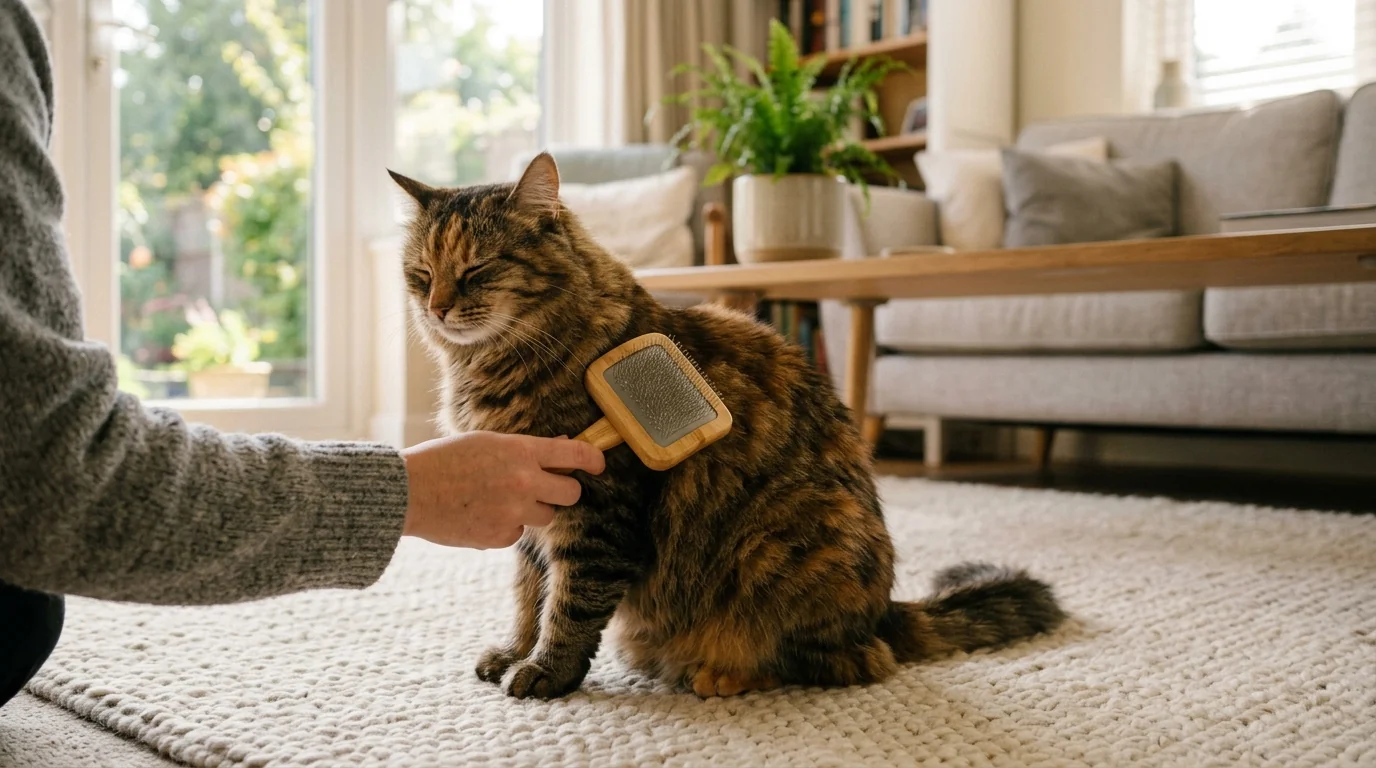
The simplest way to stop a hairball from forming in your cat’s stomach is removing loose undercoat before your cat can swallow it.
- For short-haired cats: Brush 2 to 3 times weekly using a fine-toothed slicker brush or rubber grooming mitt.
- For long-haired cats: Brush daily using a wide metal comb followed by an undercoat rake to eliminate mats.
- Every loose hair on your brush is one less hair swallowed into your cat’s digestive tract.
2. Increase dietary moisture and hydration
Dry kibble contains only 8% to 10% moisture. Cats have a naturally low thirst drive inherited from desert ancestors. Ingesting dry hair alongside dehydrated kibble creates hard, dense mats in the stomach that struggle to pass into the intestines.
- Transition part or all of their diet to high-moisture canned wet food containing 75% to 80% water.
- Add a splash of warm water or unsalted chicken broth directly to canned meals.
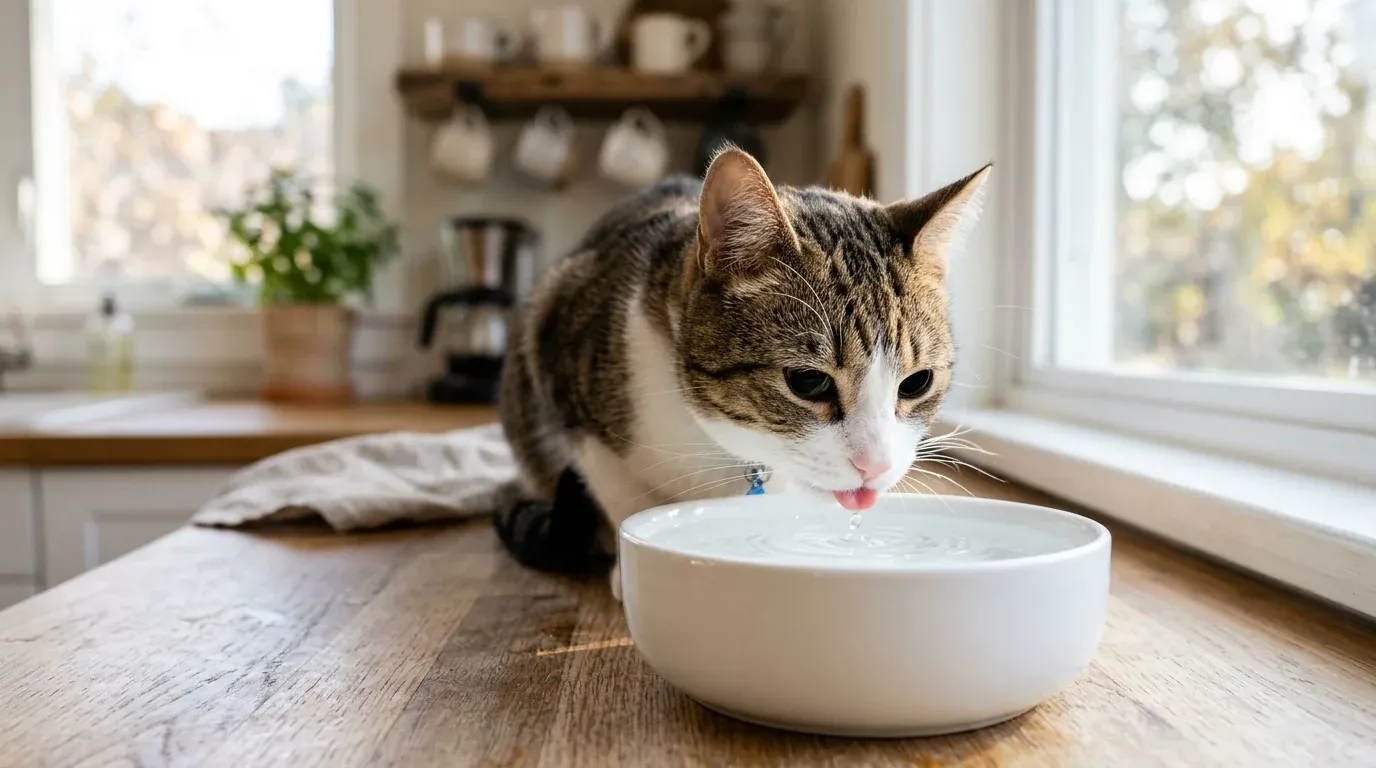
- Install a circulating stainless steel pet water fountain to encourage regular drinking. For detailed feeding guidelines, consult our breakdown on how much to feed a cat.
3. Incorporate soluble dietary fiber
Fiber helps sweep accumulated fur through the intestinal tract before it forms large gastric trichobezoars (hairballs).
- Plain canned pumpkin puree: Add 1/2 teaspoon of 100% pure canned pumpkin (not sugary pumpkin pie mix) to wet food once daily. Pumpkin provides natural soluble and insoluble fiber that supports digestive motility.
- Cat grass (wheatgrass or oat grass): Growing safe indoor cat grass provides gentle natural fiber that aids digestion.
4. Use specialized petroleum or malt hairball pastes
Commercially formulated hairball gels (containing flavored mineral oil, malt extract, and petrolatum) act as a gentle lubricant. The paste coats the swallowed fur and intestinal walls, helping hair clumps slide smoothly into the stool rather than being regurgitated.
- Administer a 1-inch ribbon of gel directly onto your cat’s paw or nose once or twice weekly during heavy shedding seasons. Most cats willingly lick the malt or chicken-flavored paste clean.
5. Transition to a hairball-control formula
Many premium pet food brands offer specialized hairball diets featuring unique fiber blends (such as beet pulp and powdered cellulose) engineered to bind loose hair and facilitate regular elimination in stool. If you use scheduled feeding devices for daily portions, learn more in our review of the best automatic cat feeders for wet food.
6. Provide stress relief for compulsive groomers
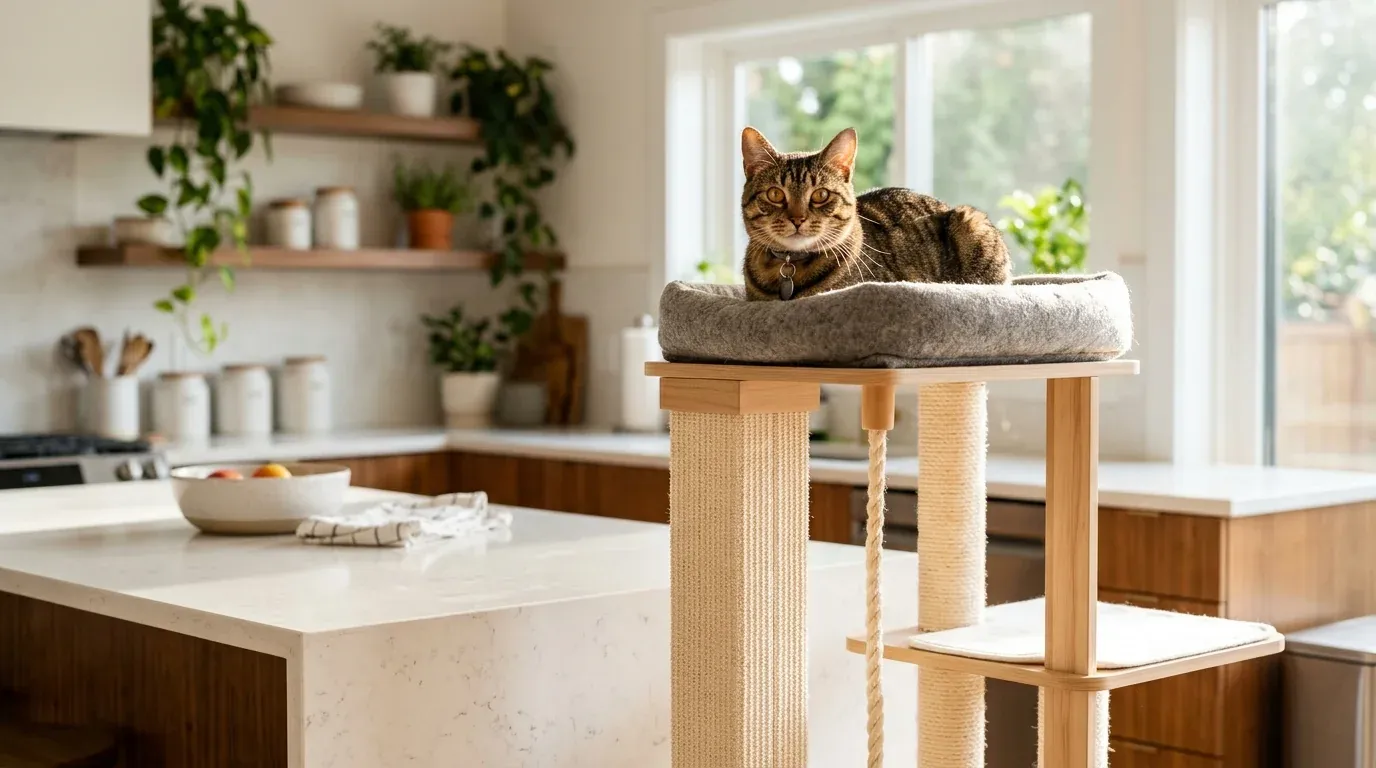
If your cat grooms obsessively around their belly or inner thighs, they may be soothing emotional anxiety. Incorporate daily interactive play, vertical cat trees, and quiet safe spaces to reduce stress-induced licking. Loving behaviors like kneading are another way cats release emotional energy, as detailed in our guide on why do cats knead.
| Hairball Frequency | Assessment | Recommended Action |
|---|---|---|
| Once a month | Normal | Routine brushing, plenty of water |
| Once a week | High shedding / mild sluggish gut | Increase daily brushing, add pumpkin/hairball gel |
| Multiple times a week | Potential medical concern | Consult vet for underlying allergy, IBD, or motility issues |
| Daily retching with no hair | Potential emergency | Immediate veterinary evaluation for asthma or obstruction |
Proper grooming habits and daily wellness checks are core parts of responsible feline ownership. New owners can find complete supply checklists and beginner routines in our first-time cat owner guide.
Frequently asked questions
How often is it normal for a cat to throw up a hairball?+
It is considered normal for a healthy cat to produce a hairball once every few weeks to once a month, especially during spring and autumn shedding periods. If your cat produces hairballs more than once a week, it warrants dietary adjustment and a veterinary discussion.
Can a hairball kill a cat?+
Yes, in severe cases. If a massive hairball becomes lodged in the stomach exit (pylorus) or the small intestine, it forms a life-threatening intestinal obstruction. Without emergency surgical removal, an intestinal blockage is fatal.
Can I give my cat olive oil or butter for hairballs?+
Never give mineral oil directly from a spoon (which cats can easily inhale into their lungs, causing fatal lipid pneumonia). While small dabs of butter or olive oil were traditional home remedies, commercial hairball gels and pumpkin puree are far safer and specifically formulated for feline digestive safety.
Why does my cat cough like they have a hairball but nothing comes up?+
Dry coughing where the cat crouches low with their neck extended flat to the floor is often feline asthma or bronchitis, not a hairball. If this coughing posture happens repeatedly without producing a hair clump, have your vet take chest X-rays.
Does wet food really help prevent hairballs?+
Yes. The high water content in canned wet food hydrates the stomach contents and supports healthy peristalsis (intestinal muscular movement), allowing swallowed fur to pass through into the stool rather than clumping in a dehydrated stomach.
Sources & further reading
This article draws on guidance from these trusted organizations. Always consult your own veterinarian for advice specific to your pet.
Written by
Raghav DeedwaniyaFounder & Editor
Raghav Deedwaniya is the founder and editor of Petifys, and the author behind its pet care content. I’m a lifelong pet owner, not a veterinarian — I’ve been around dogs since childhood, and that hands-on experience is what got me into writing about responsible pet ownership. At Petifys I create practical, easy-to-understand guides, each one carefully researched using trusted sources such as the AVMA, ASPCA and International Cat Care. My aim is to help you make informed everyday decisions — but for anything involving your pet’s health, always consult a qualified veterinarian who can examine your animal in person.
Disclosure: Some links in this article are affiliate links. If you buy through them we may earn a small commission at no extra cost to you. We only recommend products we believe in. Learn more.