Why Is My Dog Not Eating? 7 Common Reasons & Fixes
Is your dog refusing food? Discover 7 common reasons why dogs lose their appetite, when to see a veterinarian, and gentle ways to encourage eating.
On this page
- Why is my dog not eating? 7 common causes
- 1. Dental pain or mouth injury
- 2. Sudden food changes or food boredom
- 3. Stress, anxiety, or routine changes
- 4. Overfeeding treats and table scraps
- 5. Recent vaccinations or medications
- 6. Mild stomach upset (dietary indiscretion)
- 7. Underlying systemic illness
- How to encourage a picky dog to eat
- Puppies vs adult dogs: why age matters
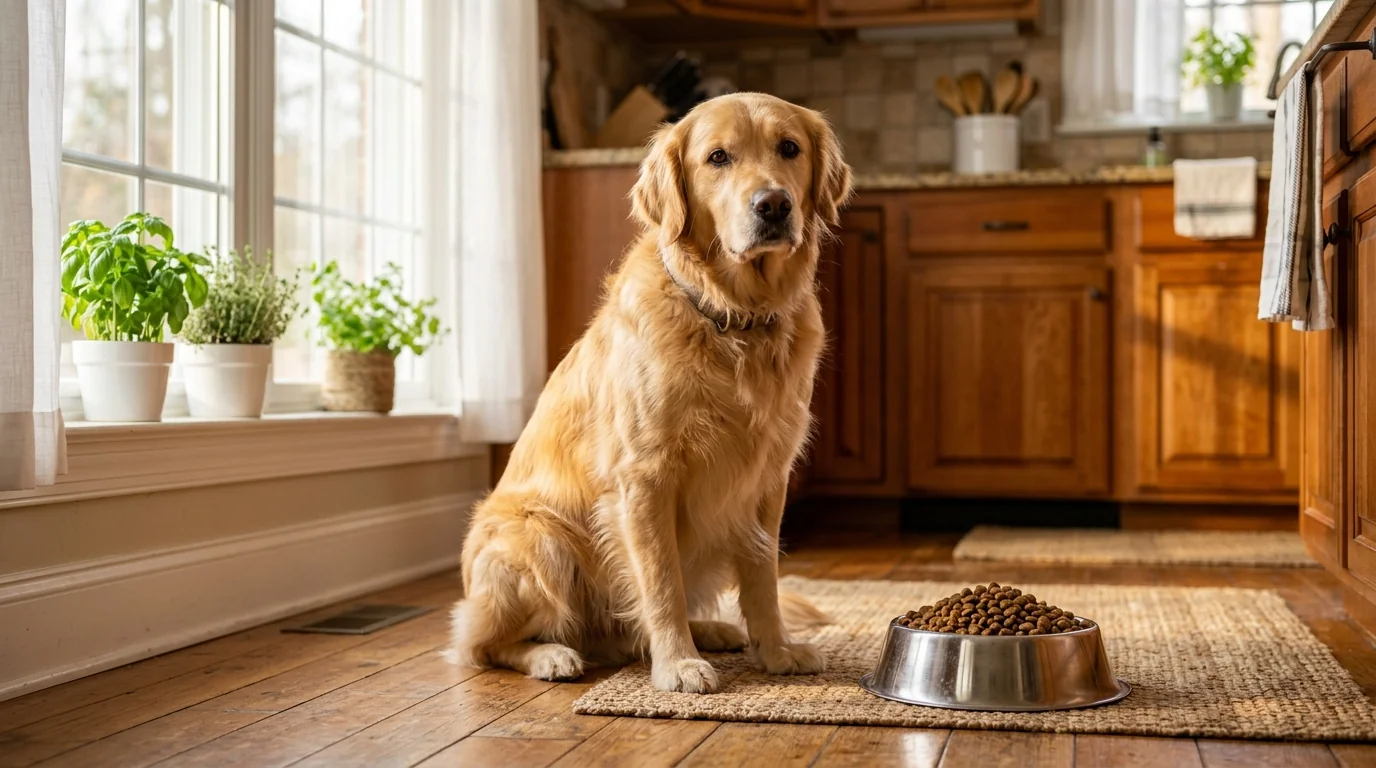
Seeing your dog refuse their bowl is stressful. When a dog is not eating, our first instinct is to worry that something is seriously wrong. The reality is that dogs skip meals for a wide range of everyday reasons — from routine stress to minor tummy upset — as well as underlying medical conditions.
As a lifelong pet owner, I have sat beside bowls trying every trick in the book to coax a reluctant eater. Understanding why your dog lost their appetite is the first step toward getting them back on a healthy feeding routine.
When to see a veterinarian immediately
If your dog has not eaten for more than 48 hours (or more than 12 hours for a puppy under 6 months), or if anorexia is accompanied by vomiting, diarrhea, lethargy, fever, or pale gums, contact your vet right away. Puppies dehydrate rapidly and risk dangerous blood sugar drops.
Why is my dog not eating? 7 common causes
Loss of appetite in dogs (clinically known as anorexia or hyporexia) generally falls into behavioral, environmental, or medical categories.
1. Dental pain or mouth injury
If your dog approaches the bowl, sniffs enthusiastically, but turns away or drops kibble after chewing, mouth pain is the primary suspect. A broken tooth, inflamed gums, periodontal disease, or a small stick stuck across the roof of the mouth can make chewing painful.
What to do: Gently lift your dog’s lips to check for redness, bleeding, heavy tartar buildup, or swelling. If anything looks abnormal or smells foul, schedule a veterinary dental examination.
2. Sudden food changes or food boredom
Dogs possess sensitive digestive systems. Switching from one brand to another without a 7-day transition often causes nausea or abdominal cramping. In other cases, dry kibble exposed to heat and air may turn rancid, causing your dog to reject food that smells spoiled to their sensitive nose.
What to do: Inspect the expiration date on your bag. If introducing a new diet, mix 75% old food with 25% new food for three days, gradually adjusting the ratio over a week. For puppies, review our puppy feeding schedule by age to make sure portion sizes and meal timings match their growth stage.
3. Stress, anxiety, or routine changes
Dogs thrive on predictability. A recent move, a new baby, loud household construction, or the absence of a favorite family member can suppress hunger hormones. Separation anxiety is another frequent trigger: many dogs refuse to touch a single bite until their owner returns home.
What to do: Feed meals in a calm, quiet corner away from household foot traffic. For dogs adjusting to a new environment, our first-time puppy owner guide covers creating predictable daily schedules that reduce baseline anxiety.
4. Overfeeding treats and table scraps
If your dog ignores their kibble but snaps up a piece of chicken or a cheese wrapper from across the room, you are likely dealing with behavioral pickiness rather than physical illness. Dogs learn quickly that holding out past dinner earns them tastier human foods or extra treats.
What to do: Eliminate table scraps entirely and restrict treats to less than 10% of their daily caloric intake. Pick up the uneaten food bowl after 15 minutes. A healthy dog will not starve themselves, and knowing food is only available at set times resets their mealtime focus.
5. Recent vaccinations or medications
Mild lethargy and decreased appetite are common, normal side effects within 24 to 48 hours of routine vaccinations. Antibiotics and pain medications can also cause temporary mild nausea in dogs.
What to do: Give your dog a quiet space to rest. Check with your vet whether oral medications should be administered alongside a small spoon of plain canned food.
6. Mild stomach upset (dietary indiscretion)
Dogs explore the world with their mouths. Sniffing up compost, eating backyard grass, or scavenging table grease can cause mild gastroenteritis. Just like humans, a dog with an unsettled stomach will naturally fast for a meal or two while their gut recovers.
What to do: Keep clean fresh water available. If there is no vomiting and your dog remains alert, offer a bland meal of boiled skinless chicken breast and white rice after a short digestive rest.
7. Underlying systemic illness
Persistent lack of appetite can be an early indicator of kidney disease, liver issues, pancreatitis, infections, or intestinal blockage from a swallowed object.
What to do: Never ignore an unexplained refusal to eat that lasts beyond two days or is paired with fatigue and behavioral changes.
How to encourage a picky dog to eat
If your vet has ruled out medical issues, you can make meals more appealing using simple, pet-safe adjustments:
- Warm the food slightly: Microwaving canned food for 5 to 10 seconds or adding warm water to dry kibble releases aroma compounds that stimulate your dog’s appetite.
- Add a tasty topper: A spoonful of plain warm bone broth (with zero onion or garlic), pure pumpkin puree, or plain kefir adds aroma and moisture.
- Ditch metal bowls if they clink: Some sensitive dogs dislike their ID tags clattering against stainless steel bowls. Switching to ceramic or shallow silicone mats can resolve mysterious mealtime hesitations.
- Use puzzle feeders or scatter feeding: High-energy dogs often find boring static bowls unengaging. Turning mealtime into an enrichment game by scattering kibble across a snuffle mat or rolling toy builds mealtime enthusiasm. You can read more about canine enrichment and exercise needs in our guide on how much exercise does a puppy need.
Puppies vs adult dogs: why age matters
A skipped meal requires different responses depending on whether your companion is a ten-week-old puppy or a four-year-old adult dog.
| Age Stage | Safe Fasting Window | Key Risk | Action Step |
|---|---|---|---|
| Puppy (under 16 weeks) | 6 to 12 hours max | Hypoglycemia, dehydration | Contact vet if missing two meals |
| Young Adult (1 to 6 years) | 24 to 48 hours | Mild weight loss, behavioral habit | Try warm toppers; monitor energy |
| Senior (7+ years) | 24 hours max | Kidney/dental/joint issues | Schedule vet check for bloodwork |
When deciding between family pets, comparing eating habits and care routines is essential. If you are still exploring species temperaments, check out our comparison on dog vs cat which pet should you get.
Frequently asked questions
How long can a dog go without eating?+
Most healthy adult dogs can survive up to 3 to 5 days without food if they have access to water, but you should never let a dog fast for more than 48 hours without consulting a veterinarian. Puppies under 6 months should never go more than 12 hours without eating due to the risk of dangerous hypoglycemia.
What can I feed a dog that refuses to eat?+
A bland meal of boiled shredded chicken breast and plain white rice (in a 1:2 ratio) is gentle on sensitive stomachs. Warming canned food or adding a splash of warm, low-sodium bone broth with no added garlic or onion also stimulates scent receptors.
Why does my dog refuse food in the morning but eat at night?+
Morning anorexia often stems from mild acid reflux caused by an empty stomach overnight (bilious vomiting syndrome). Giving your dog a small plain biscuit or spoon of pumpkin right before bedtime can prevent stomach acid buildup overnight.
Should I hand-feed my dog if they won't eat?+
Hand-feeding is helpful temporarily when an animal is recovering from surgery or illness, but doing it regularly creates a strong behavioral dependence where the dog refuses to eat from their bowl independently.
When is a dog not eating an emergency?+
It is an emergency if your dog refuses food and also shows signs of repeated vomiting, bloody stool, extreme lethargy, bloated or tense abdomen, pale gums, or collapse. Seek immediate emergency veterinary care in those cases.
Sources & further reading
This article draws on guidance from these trusted organizations. Always consult your own veterinarian for advice specific to your pet.
Written by
Raghav DeedwaniyaFounder & Editor
Raghav Deedwaniya is the founder and editor of Petifys, and the author behind its pet care content. I’m a lifelong pet owner, not a veterinarian — I’ve been around dogs since childhood, and that hands-on experience is what got me into writing about responsible pet ownership. At Petifys I create practical, easy-to-understand guides, each one carefully researched using trusted sources such as the AVMA, ASPCA and International Cat Care. My aim is to help you make informed everyday decisions — but for anything involving your pet’s health, always consult a qualified veterinarian who can examine your animal in person.
Disclosure: Some links in this article are affiliate links. If you buy through them we may earn a small commission at no extra cost to you. We only recommend products we believe in. Learn more.